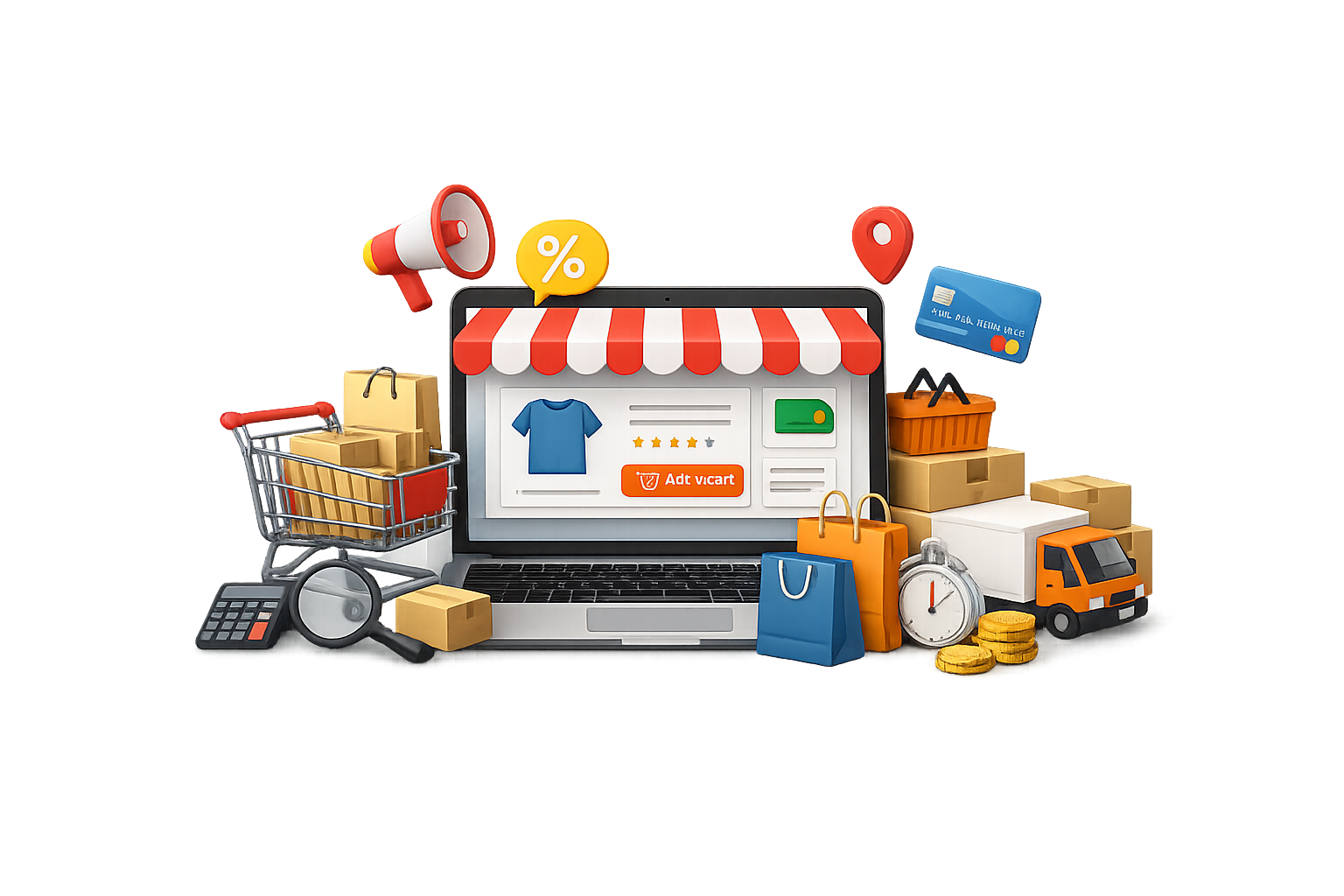
The shift toward direct online selling has opened new opportunities for businesses to take full control of how they present and sell their products. Instead of relying on third-party marketplaces, many brands are now creating their own independent online stores through single vendor e-commerce platforms. This approach allows businesses to manage everything under one roof from product listings to customer interactions without outside interference.
A single vendor e-commerce store is more than just a website. It’s a dedicated digital space where a business showcases its identity, builds trust and delivers a consistent shopping experience to its customers.
Single vendor e-commerce is a business model where only one seller operates the entire online store. All products listed on the website belong to that single business, and every aspect of the platform inventory, pricing, orders and customer service is handled internally.
This model is ideal for brands that want to sell directly to customers without competing alongside other sellers. It creates a focused environment where customers engage with just one brand, making the experience more personal and reliable.
One of the biggest advantages of this model is complete ownership. Businesses can design their website, set pricing strategies, control inventory and manage marketing campaigns without depending on external platforms.
From homepage design to packaging, every element reflects the brand’s identity. This consistency helps build recognition and strengthens customer trust over time.
Direct interaction with customers allows businesses to understand their preferences, gather feedback and offer personalized experiences. This leads to higher customer satisfaction and repeat purchases.
Without marketplace commissions or third-party fees, businesses can retain a larger portion of their revenue. This improves overall profitability and allows more flexibility in pricing strategies.
Managing products, orders and inventory becomes easier when everything is handled within a single system. This reduces complexity and improves operational efficiency.
Creating a strong single vendor e-commerce platform requires more than just listing products. The right features can make a significant difference in performance and user experience.
A clean and structured layout helps users find products quickly. Categories, filters and search options should be simple and intuitive.
With a large number of users shopping on mobile devices, a responsive design ensures smooth browsing across all screen sizes.
Offering multiple secure payment options builds trust and makes transactions convenient for customers.
A robust backend system helps manage product listings, pricing and stock levels without complications.
Keeping customers informed about their orders improves transparency and enhances the overall experience.
A slow website can lead to lost sales. Optimizing speed ensures better performance and higher customer retention.
Single vendor e-commerce works effectively across various industries, including:
These industries benefit from direct customer engagement and the ability to maintain consistent product quality.
Despite its advantages, this model comes with responsibilities that businesses must handle carefully.
Driving traffic to the website depends entirely on the business. Strong digital marketing strategies such as SEO, social media and paid advertising are essential.
Since all products are managed internally, businesses must ensure proper stock planning to avoid shortages or overstocking.
As the business grows, managing orders, deliveries and customer support requires efficient systems and processes.
With the right planning and tools, these challenges can be handled effectively.
Consumer behavior is evolving, with many buyers preferring to purchase directly from brands rather than through marketplaces. This shift is encouraging businesses to invest in their own platforms to build trust, offer exclusive products and create personalized shopping experiences.
Advancements in technology, such as automation and data analytics, are also making it easier for businesses to manage operations and understand customer behavior more effectively.
Single vendor e-commerce provides a powerful foundation for businesses that want to establish a strong online presence and build lasting customer relationships. It offers complete control, better branding opportunities and improved profitability compared to traditional marketplace models.
By focusing on user experience, efficient management and strategic marketing, businesses can create a successful and scalable online store tailored to their goals.
To explore reliable solutions for building your own single vendor e-commerce platform, visit: https://mlmengine.com/