Digital Asset Management has become essential for businesses that handle large amounts of digital content daily. From images and videos to presentations and marketing files, companies need a reliable way to organize and access their digital assets efficiently. A SaaS-based Digital Asset Management system helps businesses centralize content, improve collaboration, maintain brand consistency and streamline workflows in today’s fast-paced digital environment.
Many businesses still rely on shared drives, emails or scattered folders to manage important files. While this may work temporarily, it eventually leads to confusion, wasted time, duplicate files and poor collaboration. This is where a SaaS-Based Digital Asset Management (DAM) System becomes a game-changing solution.
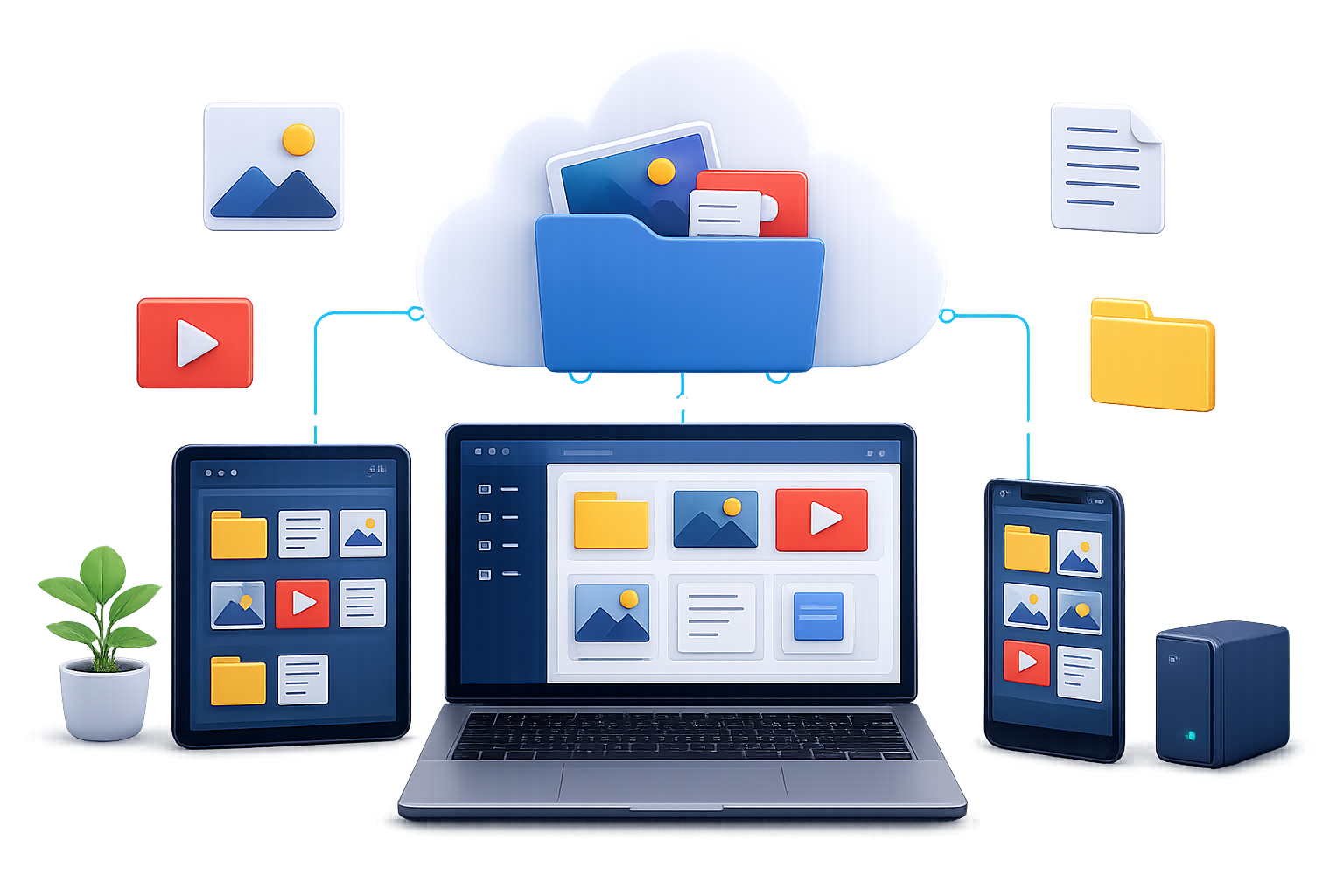
A cloud-based DAM platform helps businesses organize, store, manage and distribute digital assets from one centralized location. It simplifies workflows, improves team collaboration and ensures that the right content is always available when needed.
Digital transformation has changed the way businesses operate. Marketing teams now produce more content than ever before for websites, social media, advertisements, email campaigns and online branding. Without a proper management system, finding the right file can become frustrating and time-consuming.
Imagine a marketing team searching through hundreds of folders to find the latest logo version or a product image needed urgently for a campaign. These delays can impact productivity and even affect brand consistency.
A SaaS-based Digital Asset Management system solves this problem by creating a structured and searchable environment where all digital assets are organized efficiently.
Traditional asset management systems often require expensive infrastructure, software installations and ongoing maintenance. In contrast, SaaS-based solutions operate entirely in the cloud.
This means businesses can access their digital assets anytime and from anywhere using an internet connection. There is no need for dedicated servers or complex IT management. Updates, backups and security are handled automatically by the service provider.
The flexibility and affordability of SaaS platforms make them ideal for startups, small businesses, enterprises and remote teams alike.
One of the biggest advantages of a DAM system is centralized storage. Instead of searching across multiple devices or platforms, users can access all approved assets from a single dashboard.
This improves efficiency and helps employees save valuable time.
Modern businesses often operate with remote or distributed teams. Designers, marketers, content writers and managers may work from different locations.
A SaaS-based DAM platform enables seamless collaboration by allowing teams to upload, review, edit and share files in real time.
Using outdated logos or incorrect marketing materials can damage a company’s professional image. DAM systems ensure that teams always use the latest approved assets.
This helps businesses maintain consistent branding across all channels and campaigns.
Not every employee should have access to every file. DAM platforms provide role-based permissions, allowing administrators to control who can view, edit or download assets.
Cloud-based security features such as encryption and automated backups also protect sensitive business data.
Advanced search features make it easy to locate files instantly using keywords, tags, metadata or categories.
Instead of manually browsing folders, users can quickly find exactly what they need within seconds.
As businesses grow, so does their digital content. SaaS-based DAM systems can easily scale to support increasing storage needs without additional hardware investments.
This makes them a long-term solution for expanding organizations.
Creative agencies handle thousands of campaign assets and client files. DAM systems help organize projects efficiently while improving collaboration between teams and clients.
Online stores require large collections of product images, videos, catalogs, and promotional materials. DAM platforms simplify content management and product asset distribution.
Media companies rely heavily on video, audio and design assets. A DAM system ensures easy storage, retrieval and sharing of large multimedia files.
Educational institutions use DAM solutions to manage digital learning resources, presentations and training materials.
Large organizations use DAM systems to streamline internal communication, maintain branding standards and improve workflow efficiency.
Companies without a proper asset management solution often experience:
These issues not only waste time but can also impact business performance and customer experience.
Technology continues to reshape digital asset management systems. Artificial intelligence and automation are making DAM platforms smarter and more efficient.
Future trends include:
These innovations will help businesses manage digital content more intelligently while reducing manual effort.
Before selecting a SaaS-based Digital Asset Management system, businesses should evaluate:
The ideal platform should align with the company’s workflow, content volume and future growth plans.
A SaaS-Based Digital Asset Management System is no longer just a convenience for businesses handling digital content. It has become an essential tool for improving efficiency, collaboration and brand management.
By centralizing assets, enhancing accessibility and simplifying workflows, DAM platforms help businesses stay organized in an increasingly digital world. Companies that invest in reliable solutions like MLM Engine can improve productivity, strengthen brand consistency and gain a competitive edge in today’s fast-paced market.
As digital content continues to grow rapidly, adopting a cloud-based asset management system is a smart step toward building a more efficient and future-ready business.