Managing a fleet in today’s business environment requires more than just coordination it demands precision, speed and the ability to make informed decisions in real time. As industries become more competitive and customer expectations continue to rise, businesses are turning to SaaS-based fleet management systems to streamline operations and stay ahead.
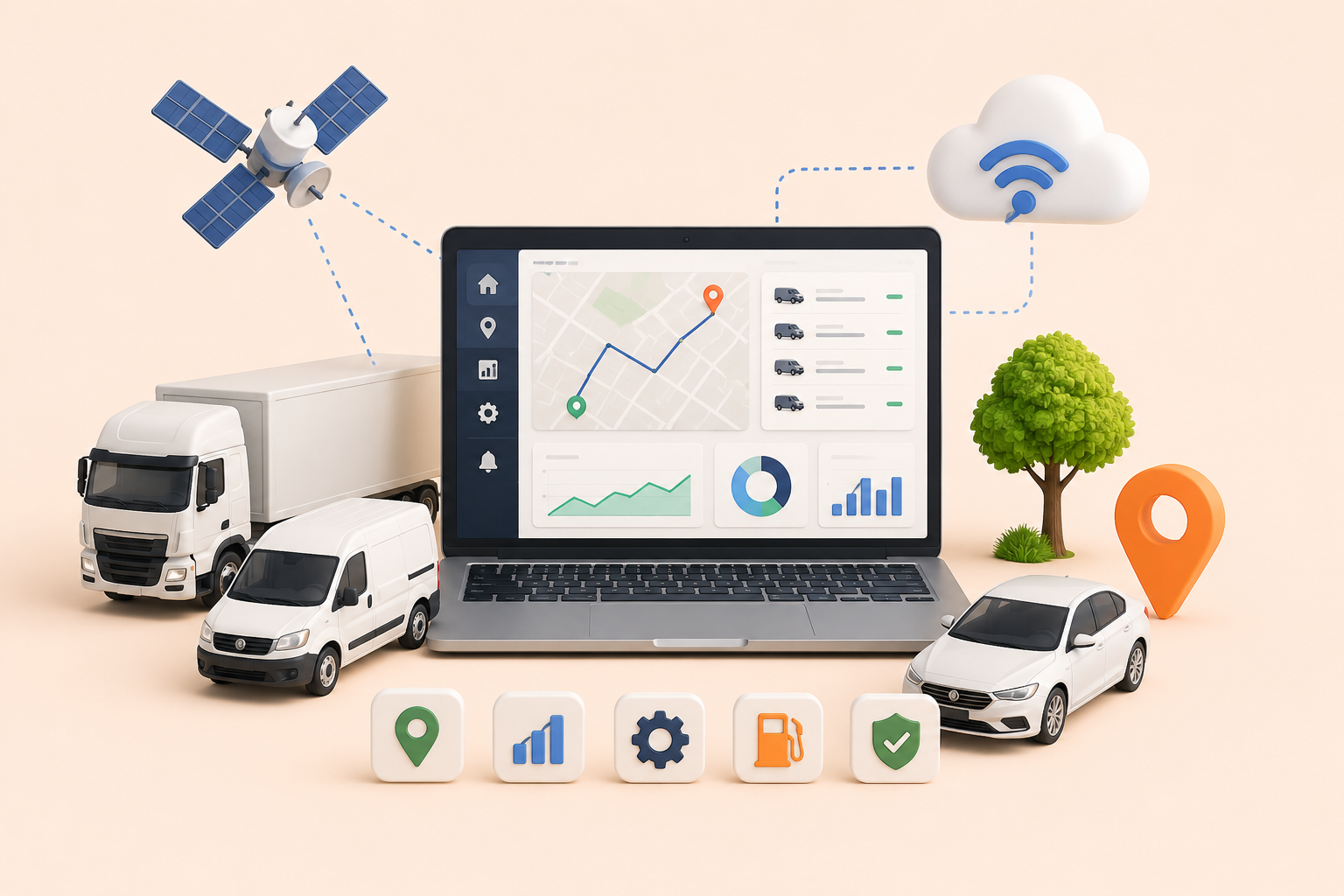
A SaaS (Software-as-a-Service) fleet management system is a cloud-based platform that enables businesses to monitor, control and optimize their fleet operations through a centralized interface. Unlike traditional systems that require on-site installation and maintenance, SaaS solutions operate entirely online, making them more flexible and easier to manage.
The growing adoption of SaaS in fleet management is driven by its ability to simplify complex operations. Businesses no longer need to rely on manual tracking or outdated software. Instead, they gain access to powerful tools that provide real-time insights and automation.
Some key reasons behind its popularity include:
SaaS fleet management systems come equipped with features that help businesses operate more efficiently and effectively:
These features not only improve day-to-day operations but also contribute to long-term cost savings.
Implementing a SaaS-based fleet management system can lead to significant improvements across multiple areas:
With access to real-time data and analytics, managers can make quicker and more informed decisions.
By optimizing routes and monitoring fuel usage, businesses can reduce unnecessary expenses.
Accurate delivery tracking and faster response times lead to higher customer satisfaction.
Automation reduces manual work, allowing teams to focus on more strategic tasks.
While SaaS solutions offer many advantages, businesses should also be aware of potential challenges:
Careful selection of a reliable service provider can help mitigate these issues.
SaaS-based fleet management systems are continuously evolving. With the integration of advanced technologies like artificial intelligence and IoT, these platforms are becoming more intelligent and predictive.
In the coming years, businesses can expect features like automated decision-making, predictive maintenance, and advanced analytics to become standard.
SaaS-based fleet management systems are transforming how businesses manage their fleets. They offer a combination of flexibility, efficiency and cost-effectiveness that traditional systems simply cannot match.
For organizations looking to improve operations and remain competitive, adopting a SaaS fleet management solution is not just an option it’s a necessity for future growth. Learn more about advanced solutions at https://mlmengine.com/