Subscription-based models have quietly become the default for modern businesses. Whether it’s software tools, streaming platforms or online services, customers now prefer paying in predictable, manageable increments rather than large upfront costs. But behind this simplicity lies a complex system that ensures everything runs smoothly SaaS Billing and Invoicing systems. These systems do far more than just generate bills. They manage revenue streams, handle customer subscriptions and ensure businesses get paid accurately and on time.
Traditional billing systems were built for one-time transactions. SaaS billing, on the other hand, is designed for recurring and flexible payment structures. It adapts to different pricing strategies like monthly subscriptions, usage-based billing, freemium models, and custom enterprise plans.
What sets it apart is its ability to handle continuous relationships with customers rather than one-off purchases.
Manual billing processes are not just time-consuming they are prone to errors. SaaS billing systems eliminate these inefficiencies by automating the entire workflow.
From generating invoices to sending payment reminders, everything happens in the background. This allows businesses to focus more on growth and less on administrative tasks.
Automation also improves customer satisfaction. Accurate invoices, timely notifications and smooth payment experiences build trust and reduce friction.
A strong SaaS billing system typically includes:
These capabilities make the system both powerful and adaptable.
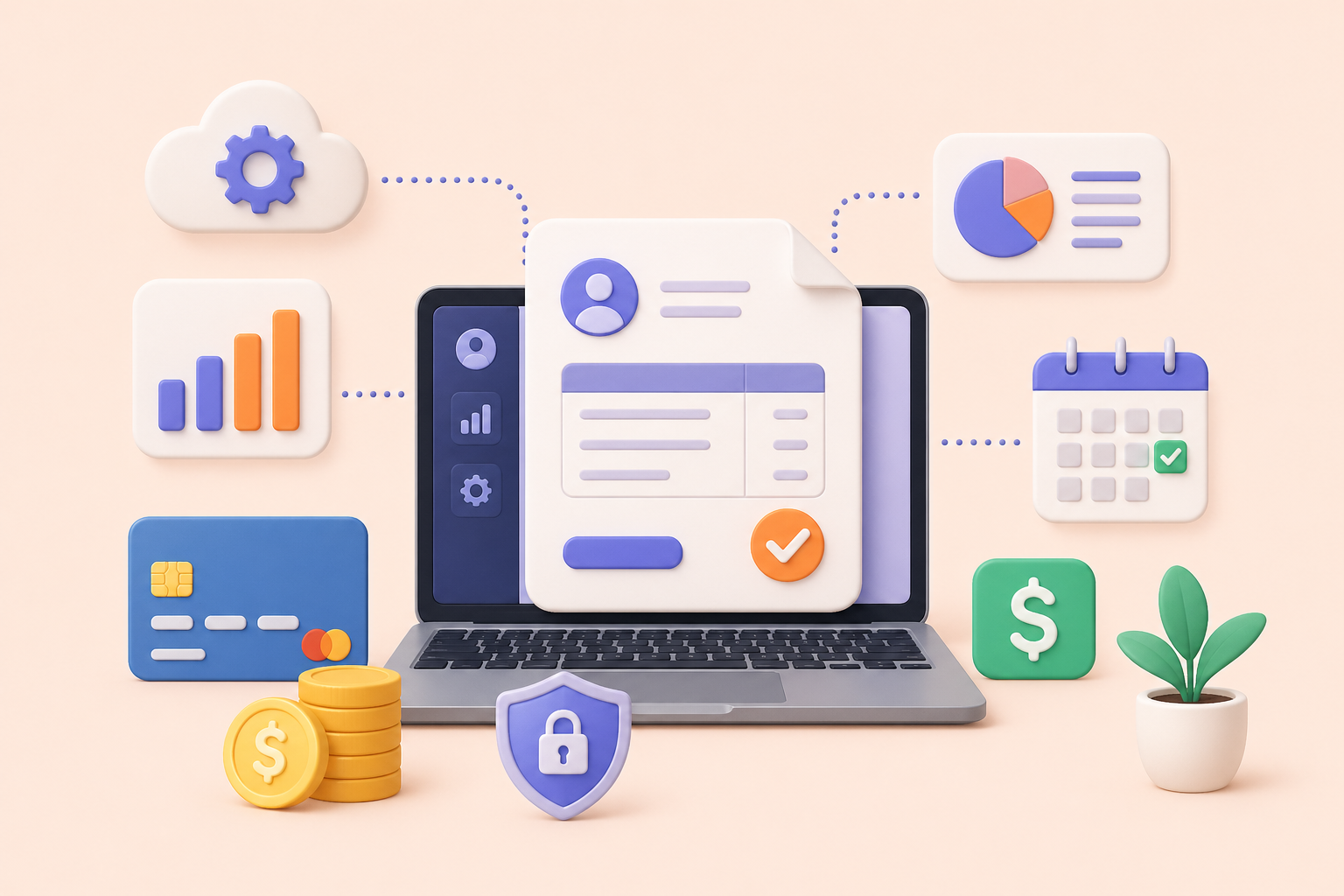
At a high level, a SaaS billing system operates through interconnected components:
Each component plays a crucial role in ensuring a seamless billing experience.
Despite the benefits, implementing a SaaS billing system is not without challenges.
Handling mid-cycle plan changes, managing failed payments and ensuring compliance with financial regulations can become complex quickly. Additionally, supporting global customers means dealing with multiple currencies, tax rules and payment methods.
A poorly designed system can lead to revenue leakage or customer dissatisfaction, making careful planning essential.
This is a common dilemma for many businesses.
Building a custom billing system gives you full control and flexibility, but it demands significant development effort and ongoing maintenance. On the other hand, using an existing SaaS billing platform allows faster implementation and reduces technical overhead.
For most growing businesses, adopting a ready-made solution is often the more practical choice.
The future of billing systems is becoming smarter and more data-driven. Businesses are increasingly adopting:
These advancements are turning billing systems into strategic tools rather than just operational necessities.
SaaS billing and invoicing systems are the silent drivers of subscription businesses. They ensure that revenue flows smoothly, customers are billed accurately and operations remain efficient.
Understanding how these systems work offers valuable insight into modern business infrastructure. Whether you’re building a product, analyzing data or exploring system design, this knowledge can help you think more strategically about how digital businesses scale and succeed.
To explore practical solutions and tools in this space, you can visit https://mlmengine.com/ for more information.