Inventory management has long been one of the most demanding aspects of running a business. Whether dealing with raw materials or finished goods, keeping everything organized and up to date can quickly become overwhelming. As businesses move toward digital transformation, SaaS-based inventory management systems are emerging as a smarter and more efficient solution.
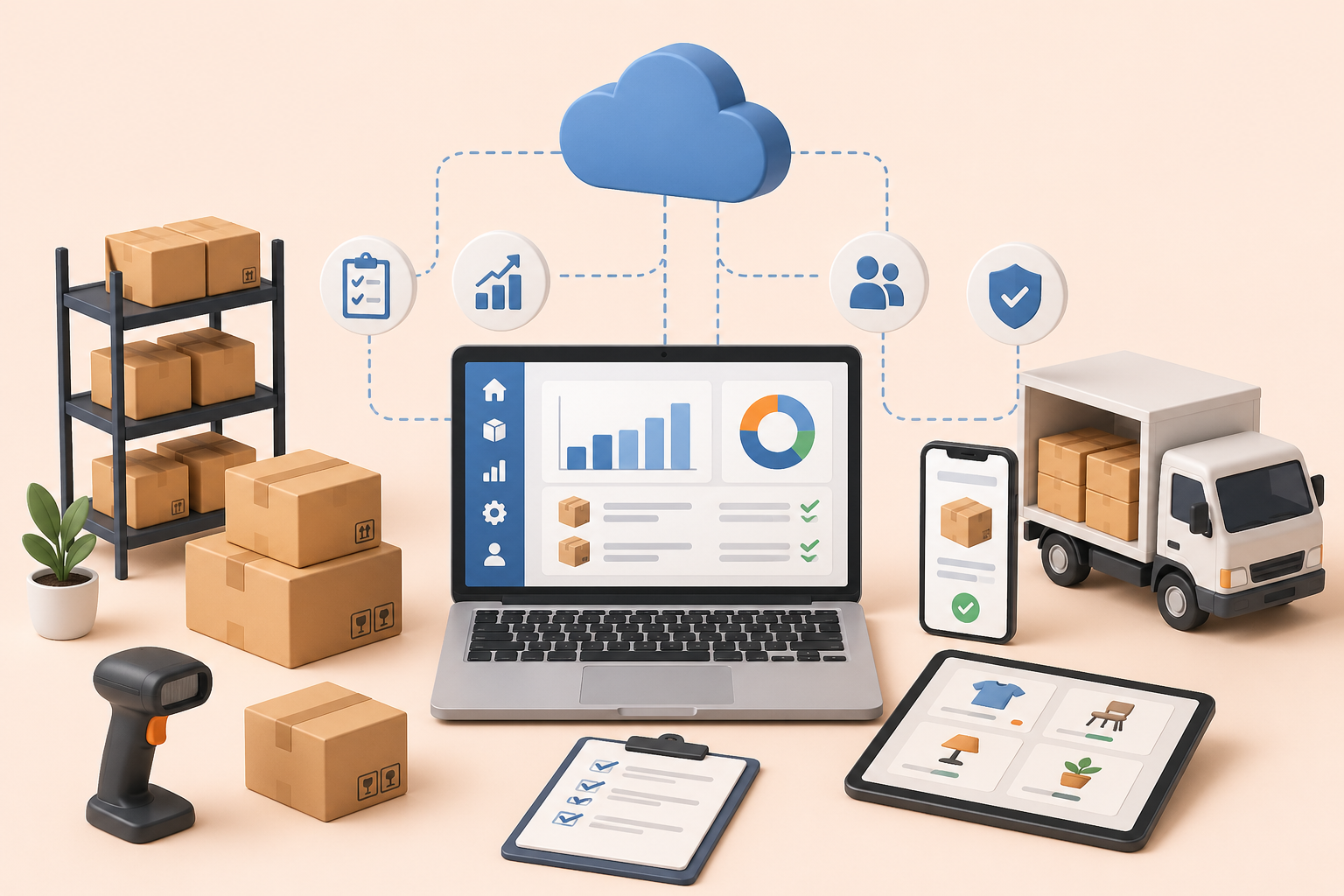
SaaS, or Software-as-a-Service, delivers applications through the cloud rather than requiring installation on local machines. In the context of inventory management, this means businesses can access their stock data through a browser without worrying about software updates, server maintenance or technical complexities.
This shift allows companies to focus more on operations and less on managing technology.
Traditional inventory systems often rely on manual data entry or standalone software that lacks real-time synchronization. This can lead to discrepancies, delays and costly mistakes. In contrast, SaaS platforms provide a centralized system where all inventory data is updated instantly.
This real-time visibility helps businesses respond quickly to changes in demand and supply.
One of the strongest reasons businesses adopt SaaS solutions is the convenience they offer. Everything is accessible from a single dashboard, making inventory tracking simple and efficient.
Some standout advantages include:
These features make SaaS systems highly practical for businesses aiming to streamline their workflow.
Errors in inventory management can lead to serious consequences such as lost sales or excess storage costs. SaaS systems reduce these risks by automating key processes like stock updates and order tracking.
With better accuracy, businesses can maintain optimal stock levels and improve overall efficiency.
Growth often brings complexity, especially when managing inventory across multiple locations. SaaS-based systems are designed to handle this complexity with ease. Businesses can add new warehouses, users or product categories without disrupting existing operations.
This adaptability ensures that the system grows alongside the business.
While cloud-based systems may raise concerns about data safety, most SaaS providers implement advanced security measures. These include encrypted data storage, secure access controls and regular backups.
As a result, businesses can rely on these systems to keep their data safe and accessible at all times.
Technology continues to evolve and SaaS inventory systems are becoming more intelligent. Features like predictive analytics, automated alerts and integration with smart devices are shaping the future of inventory management.
These innovations will enable businesses to move from reactive to proactive decision-making.
SaaS-based inventory management systems are redefining how businesses handle their stock. By combining accessibility, automation and scalability, they provide a powerful solution for modern challenges.
For any business looking to improve efficiency and stay competitive, adopting a SaaS inventory system is a step in the right direction. Learn more about advanced digital solutions here: https://mlmengine.com/