In an era where customer expectations are constantly evolving, businesses need efficient tools to stay connected and responsive. A cloud-based CRM system offers a modern solution for managing customer relationships, improving productivity and driving business growth without the limitations of traditional software.
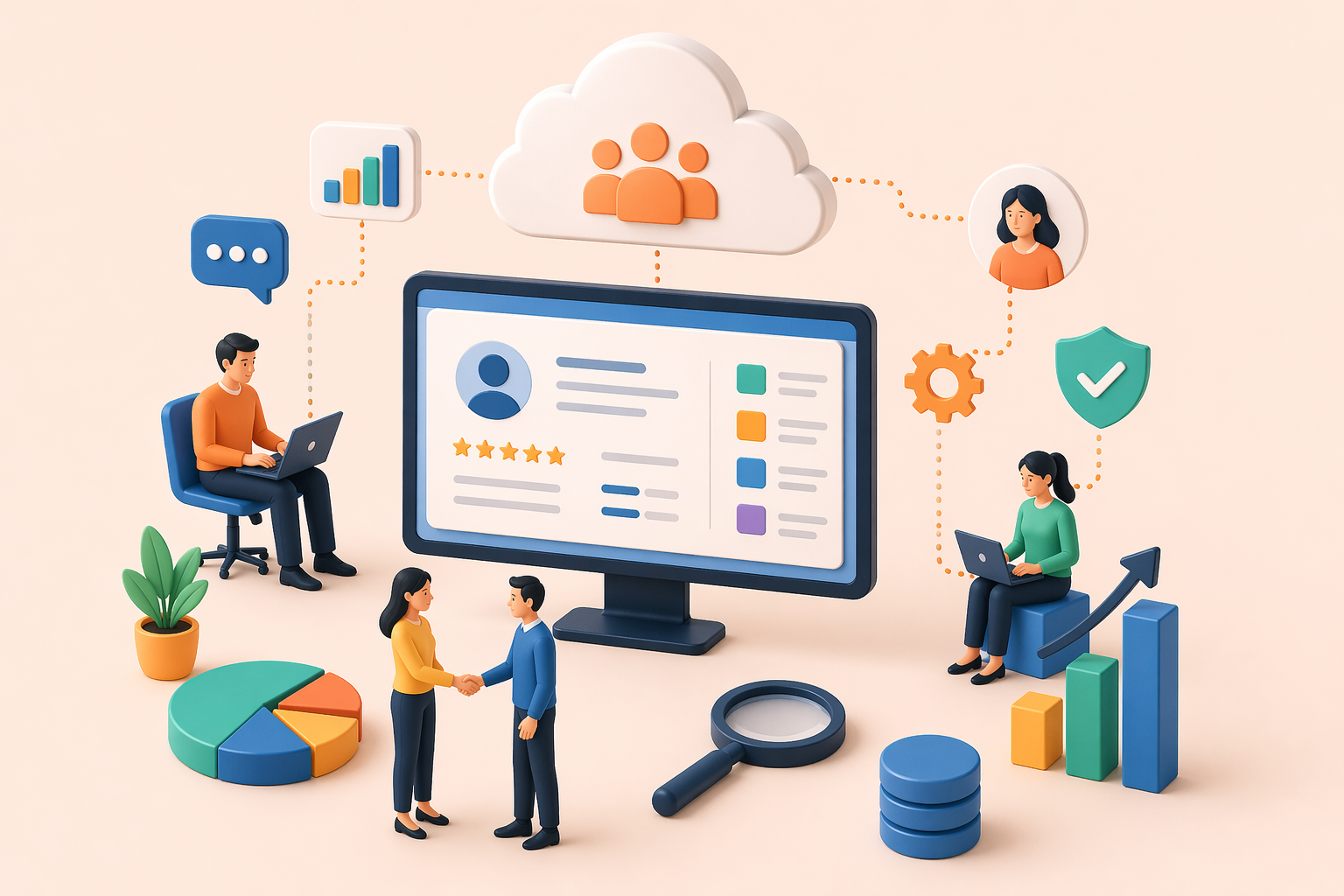
A cloud-based CRM system is hosted online, allowing users to access it through a web browser instead of installing software on individual computers. This approach removes the need for physical servers and complex IT setups, making it easier for businesses to operate and scale.
All customer data, communication history and sales activities are stored securely in the cloud, ensuring that teams can access real-time information whenever needed.
Cloud CRM systems are designed to simplify daily operations. Sales teams can track leads and opportunities more efficiently, while marketing teams can manage campaigns and analyze results in one place. Customer support teams also benefit by resolving issues faster with complete access to customer histories.
By connecting different departments, a cloud CRM helps businesses deliver a consistent and personalized customer experience.
One of the biggest advantages is remote accessibility. Whether working from home, traveling or in different office locations, employees can stay connected and productive.
As a business grows, its needs change. Cloud CRM systems allow companies to upgrade features, add users and expand storage without major disruptions.
Unlike traditional systems that may take weeks to install, cloud-based CRM platforms can be set up quickly and start delivering value almost immediately.
Users don’t have to worry about software updates or maintenance. The service provider handles everything, ensuring the system remains up-to-date and secure.
With built-in reporting and analytics, businesses can gain valuable insights into customer behavior, sales performance and overall trends.
While cloud CRM systems offer flexibility and efficiency, they do rely on internet connectivity. Businesses should also review the provider’s security policies to ensure data protection standards are met.
Additionally, some platforms may offer limited customization compared to fully in-house systems, so it’s important to choose a solution that aligns with your specific needs.
Cloud-based CRM systems are widely used across industries, including:
The future of cloud CRM is closely tied to advancements in technology such as artificial intelligence, automation and predictive analytics. These innovations will enable businesses to anticipate customer needs, automate routine tasks and deliver more personalized experiences.
Cloud-based CRM systems have become an essential tool for modern businesses aiming to improve efficiency and strengthen customer relationships. By offering flexibility, scalability, and real-time insights, they empower organizations to adapt quickly and stay competitive.
Investing in a cloud CRM system is not just about managing data it’s about creating meaningful connections with customers and building long-term success. Platforms like https://mlmengine.com/ can further enhance your CRM capabilities by providing advanced tools tailored for business growth and customer management.